Do’s & Don’t with Contact Lenses
-
Featured
My First Blog Post
Be yourself; Everyone else is already taken. — Oscar Wilde. This is the first post on my new blog. I’m just getting this new blog going, so stay tuned for more. Subscribe below to get notified when I post new updates.
-
FLOATERS
Eye Floaters: Causes, Symptoms and Treatment Small spots of irregular shapes seen floating in our field of vision, especially when looking at a bright source, such as a clear blue sky or a white paper are identified as floaters. Although eye floaters are not a grave matter, they indicate the presence of an underlying eye… Read more
-
5 reasons why dilated eye examinations are important
5 reasons why dilated eye examinations are important Top of Form 1. Eye exams help children succeed in school. This one is for you parents. Did you know that 80 percent of what children are expected to learn in and outside the classroom requires good vision? It’s true — and that statistic, which has been… Read more
Follow My Blog
Get new content delivered directly to your inbox.
What are contact lenses?
Contact lenses are small prescription lenses, worn in “contact” with the eye. They are designed to correct refractive errors and maintain ocular health. They float on the tear film layer on the surface of the cornea. Modern contacts are much more than small eye glass lenses that fit onto your eyes.

Instructions for handling contact lenses :
It’s important to understand what type of contact lenses you have and how to take care of them. The tips in this blog are aimed at keeping your eyes healthy and preventing complications from contact lenses. Remember, your best source of information about your vision and your prescription is your Ophthalmologist (Eye Doctor).
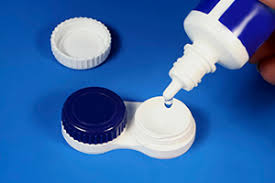
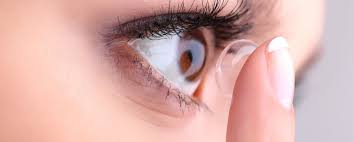
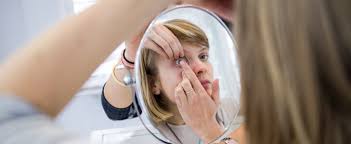
What should I know about contact lenses?
Many different kinds of contacts are available. All kinds fall under two broad categories, soft and rigid. The two types offer slightly different advantages and disadvantages. Wearing contacts pose a risk to your eye health if not worn correctly. Be aware of how to correctly handle your contacts and what complications could arise.
It is not possible to determine in advance whether you will become a successful contact lens wearer or not. Personal, physiological and environmental factors may require changes in the wearing schedule or termination of lens wear. Please keep your glasses prescription up-to-date in case you are unable to wear your lenses.
Adhering to the lens care system recommended is important. The risk of complications increases when you do not adhere to the lens care system prescribed for you. Switching or mixing products could cause irritation and/or permanently discolour your lenses.
A lens should be brought back to your eye doctor for evaluation if:
- It accumulates deposits, is no longer comfortable, or becomes discoloured and cannot be restored to its original condition using the methods in this pamphlet.
- It becomes scratched, chipped, or cracked.
If you experience redness, secretion, visual blurring, or pain (RSVP), remove your contact lenses at once. If the symptom subsides, the lenses can be cleaned and reinserted. If the lenses are removed and the symptom does not subside or reappears upon reinsertion, remove the lenses immediately and contact your Ophthalmologist immediately.
Contact lenses require proper care and handling. They must pass many rigid tests to insure proper power, shape, and durability. Contacts do not develop tears, nicks, or scratches by themselves. They are only caused through mishandling of the lenses by the patient. How well you care and handle them will determine how long they last. You must follow all instructions in caring for and handling your lenses. Failure to do so could damage your lenses. The average patient will replace at least one lens per year.
Contact lens fitting
Contact lens fitting requires a number of follow-up visits (two to three visits in the first three months). These visits are very important to ensure the proper fit of the lens and the health of the eye. Please keep all appointments made for you. Contact lens appointments are recommended every six months and are mandatory yearly for prescription refill. A contact lens prescription does not exist until the doctor deems your lens fit acceptable after several checks during follow-up care. After you have been released from initial follow-up care, you may request a copy of your contact lens prescription. Your cooperation is vital to your success in wearing contact lenses.
How to put in and take out contact lenses
Depending on the type of lens you wear, follow these steps.
Soft lens instructions
- Wash hands
- Inspect lens
- Insert lens
- Wash hands
- Remove lens
- Clean lens
- Rinse with solution
- Disinfect lens
Gas permeable lens instructions
- Wash hands
- Inspect lens
- Apply wetting solution
- Insert lens
- Wash hands
- Remove lens
- Clean lens
- Rinse with saline
- Disinfect in soaking solution
What can I wash my hands with before handling my contacts?
Wash your hands before handling your lenses. Do not use any soap containing cream, lotion, oil, or perfume.
| No | Yes |
| Soft-soap | Neutrogena |
| Ivory Liquid | Ivory Bar |
| Caress | Opti-Soap |
| Dove | Clear dishwashing detergent (Joy) |
| Gentle Touch | Dial and Dial pump |
| Any deodorant soap |
Nervous? Don’t be. Putting
contact lenses in and taking them out is easier than you might think. It may
take a few days for your eyes to get used to the feeling of wearing lenses. If
you’re having trouble don’t force it, give yourself plenty of time to get
comfortable. There’s no rush, you can always try again tomorrow.
HOW TO PUT IN CONTACTS IN 4 EASY STEPS :
Before you start
- Wash your hands with soap (preferably non-perfumed, anti-bacterial liquid soap), then rinse and dry your hands with a lint-free towel.
v Check that the lens isn’t inside out
- To do this, just put the lens on the tip of your finger and hold it up to the light. If the edges flare out, it’s inside out. Some lenses have a 1, 2, 3; indicator—make sure the digits aren’t backwards. It should look like a bowl with straight edges.
Using your right hand:
Gently hold your upper eyelid with one finger so you don’t blink or get your eyelashes in the way, and carefully pull down your lower eyelid with your other fingers.
Move the contact lens :
Toward your eye steadily. Look upward as you place it on your eye, and slowly release your eyelid and close your eye for a moment to allow the lens to settle. Repeat for your other eye.
IMPORTANT: Never rinse your contact lenses or lens case with tap water.
Learn How To Take Out Contacts :
HOW TO TAKE OUT YOUR CONTACTS IN 4 EASY STEPS :
Ensure your hands are clean and dry, and start with your right eye, then look up and carefully pull down your lower eyelid with your middle finger.
Bring your index finger to your eye :
Slowly until you touch the lower edge of the lens, and slide the lens down to the lower white part of your eye.
Gently squeeze the lens
Between your thumb and index finger and remove it. Repeat for your left lens.
Discard daily disposable contact lenses.
If you wear dailies you can toss them out, but make sure you clean and disinfect bi-weekly and monthly contact lenses.
IMPORTANT: Never rinse your contact lenses or lens case with tap water.
- This varies for everyone. If you feel like it has been too long, the best way to find out why you’re uncomfortable, and what you can do about it, talk to your eye doctor.
- With proper fitting, contacts should stay in place almost all the time. Even on that rare occasion when a contact lens moves out of place, it usually stays on your eye until you can move it back.
- Many things can adversely affect your vision. It could be as simple as dry eyes, poor-fitting lenses, or an out-of-date prescription. It could also be a sign of a more serious problem not related to your contacts. You should always talk to your eye doctor about any issues you are having with your vision or your contact lenses.
HANDLING YOURCONTACTS :
Handling your contacts lenses becomes second nature pretty quickly. We’ve added a few features to make it even easier.
Important : Rinse the lenses in the prescribed / recommended solution only.
Smart Edges
Once you’ve got the lens on your finger, there are ways to tell if it is inside out. If it’s shaped like a bowl with straight edges, you’re good. If the edge curves out, it’s inside out.
Always practice a similar kind of pattern to wear and remove your contact lenses.
If you experience any kind of trouble or discomfort, please contact your Ophthalmologist immediately without any delay. Your Ophthalmologist can help you in sorting out the issues with Contact lenses.
We from Divyadrishti Brigade wish you a healthy vision to one and all.
 Drishti Samachar